Public Spaces, Private Boundaries: The Unseen Struggle for Autonomy in a Hyper-Connected World
In a world where simply existing in public feels like an invitation for unwanted attention, how do we reclaim our personal boundaries?
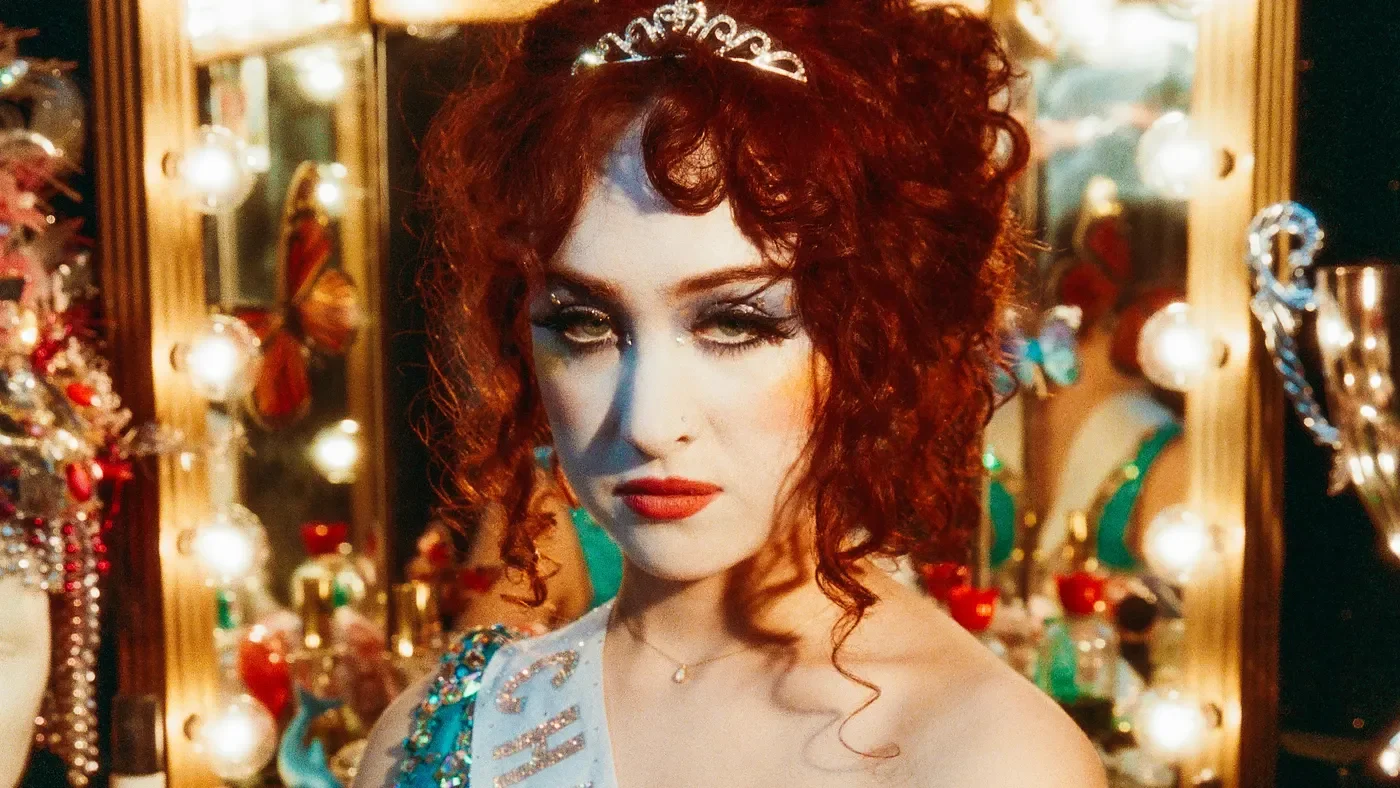
Photo by: Ryan Lee Clemens
Timing has a way of reminding us that the universe often delivers moments of clarity just when we need them most. Today, that moment came in the form of a TikTok video featuring Chappell Roan, a rising star whose journey from obscurity to fame mirrors the complicated dynamics of being seen — and often misunderstood — by the world around us. Although I had seen the name floating on social media, I must admit I wasn’t aware of who Roan was. However, just minutes before encountering the video, I had been expressing my frustration to my mom about how simply existing in public seems to invite unwanted attention, as if my presence in a shared space is an open invitation for engagement. It’s a frustrating reality that many people, especially women and femmes, face daily. The assumption that because you are visible, you are accessible, is not just irritating — it’s a violation of personal boundaries.
The conversation around personal space and boundaries isn’t new, but it’s one that remains relevant, especially in today’s hyper-connected world. The expectation that one should always be available for interaction simply because they’re in a public space is a pervasive issue. It’s as if there’s an unspoken rule that by stepping outside, you relinquish your right to privacy and solitude. This expectation becomes even more pronounced when gendered assumptions are added to the mix. When I express discomfort about being approached without consent, the response often comes with a question that really grinds my gears: “What if they were trying to flirt with you?” The implication is that the potential for romantic interest somehow justifies the intrusion, as if the desire of another person should supersede my right to peace.
This is where Roan’s video hit me hard. Here is someone who has risen to fame and is clearly dealing with the amplified version of this very problem. Fame doesn’t just magnify talent; it magnifies the invasiveness of the public. Celebrities like Roan are often seen as public property, their lives dissected, discussed, and judged by millions who have never met them. The objectification isn’t just about physical appearance — it extends to their very being, with people assigning them roles in their mental narratives, expecting them to behave in ways that satisfy those expectations.
What struck me about Roan’s message was how it resonated with the very issue I had been grappling with moments earlier. People tend to forget that those they idolize are human beings with their own boundaries, preferences, and limits. Just as I bristle at the idea of being approached uninvited at a coffee shop, celebrities like Roan are constantly navigating a world where their personal space is continuously encroached upon, often with the added pressure of maintaining a public image. The entitlement people feel towards them is a disturbing reflection of a broader societal issue — the inability to see others as fully autonomous individuals rather than characters in the story of our own lives.
It’s easy to understand why someone might want to approach a person who intrigues them, whether it’s a celebrity they admire or a stranger who caught their eye. We’re social creatures, and connection is a fundamental human need. However, it’s crucial to recognize that not every moment is an appropriate time for interaction. The person sitting at the coffee shop may be deep in thought, working on something important, or simply enjoying a moment of solitude. Similarly, the celebrity walking down the street might just want to exist without being mobbed by fans. The key is to approach these situations with empathy and respect, understanding that the desire to connect doesn’t give you the right to impose.
The labels we attach to people when they don’t respond as we’d like — rude, arrogant, unfriendly — are often more a reflection of our own insecurities than any truth about the person. It’s a defense mechanism, a way to protect our ego from the sting of rejection. But this reaction does a disservice to both parties. It reduces the person to a stereotype and prevents us from understanding the deeper reasons behind their behavior — the “why” behind the “what”.
In a world that constantly demands our attention and engagement, it’s more important than ever to respect each other’s boundaries. Whether you’re dealing with a stranger at a coffee shop or a famous figure, the same principles apply. People are not props in your narrative; they are complex individuals with their own stories, struggles, and desires. Approaching someone with this mindset can lead to more meaningful and respectful interactions, whether those interactions ultimately turn out the way you envision they would or not.